
What causes cracks in a stucco chimney, and how is it repaired?
Stucco is a cement coating over brick or block. When the crown or flashing fails, water gets behind the stucco and cannot dry out, and freeze-thaw cycles push the coating off the masonry. Fine cracks can be patched, but loose or bulging stucco usually means the brick behind it needs repair too. Stucco chimney repair typically runs $900–$4,000.
Minneapolis Fireplace & Chimney · October 24, 2026
Why so many stucco chimneys here
Stucco-clad houses, including Craftsman bungalows, show up across the older parts of both cities; historic survey forms for districts such as Prospect Park in Minneapolis record them. On many of these homes the chimney was covered to match the walls, either when it was built or decades later to hide worn brick. Either way, what you see is a thin shell. The chimney underneath is still masonry, and its condition decides how long any stucco repair lasts.
How water gets trapped
Brick and mortar take on water and dry out again. Stucco sealed tight over them slows the drying. When water gets in from the top through a cracked crown, from the side through a crack in the stucco, or at the roof line through failed flashing, it has fewer ways out. It sits against the brick and in the gap between the brick and the coating.
Then the Twin Cities winter does its work. By our count from NOAA's 1991–2020 normals, the MSP airport sees about 75 days a year that freeze at night and thaw by day. Water trapped behind stucco expands each time it freezes, and that pressure pushes the stucco away from the brick. Hollow-sounding patches, bulges and long cracks follow.
- Long cracks running up the chimney or around its corners.
- Patches that sound hollow when tapped.
- Bulging or loose sections, or pieces on the roof.
- Dark, damp areas that stay wet days after rain.
- White salt deposits seeping out of cracks.
- Stains or peeling paint on the inside wall next to the chimney.
What is usually behind the problem
The stucco itself is rarely where the trouble starts. Look up. Many older stucco chimneys have a thin mortar crown with no overhang, so water runs straight down the face. The current Minnesota Residential Code (IRC R1003.9.1) describes a crown with a slope, a drip edge and a caulked bond break around the flue liner, and a chimney built to that detail sheds water away from the stucco instead of onto it.
Flashing is the second suspect. Where the chimney meets the roof, the metal flashing has to be tucked into or behind the stucco properly. Caulk smeared at that joint fails within a few seasons.
How the repair works
For fine hairline cracks on sound stucco, sealing and patching may be enough. Where stucco is loose or hollow, we remove it back to solid edges and look at the brick behind it. Spalled brick or open joints are repaired first, then the area is re-coated and textured to blend in. If the crown is the cause, it is replaced with one that sheds water properly.
Stucco chimney repair typically runs $900–$4,000, depending on how much has to come off and what we find underneath. A new crown with a drip edge runs $1,000–$3,000. A breathable masonry water repellent, $150–$820+, can help, but only once the crown and flashing are sound; a coating that seals water in makes things worse.
In a St. Paul Historic Preservation Area, exterior repairs need a permit regardless of cost, according to the city's DSI handout. We check what your city requires before any work starts.
Getting it looked at
Our inspection is free. We check the stucco, crown, cap and flashing from the roof, tap for hollow spots, look for moisture inside, take photos and give you a written price. If we think the brick behind the stucco is in worse shape than it looks, we will say so before quoting.
FAQ
More answers
Can I just caulk the cracks in my stucco chimney?
Caulk can close a hairline crack for a while, but if water is getting in from the crown or flashing, the stucco will keep cracking. Fix the source first.
Should I remove the stucco and expose the brick?
Sometimes the brick underneath is in good shape, sometimes it was covered because it was not. We can open a small area to check before you decide.
Can stucco be painted?
Use a breathable masonry coating made for stucco. Ordinary paint can trap moisture behind it and lead to more peeling and cracking.
Keep reading
More from the blog
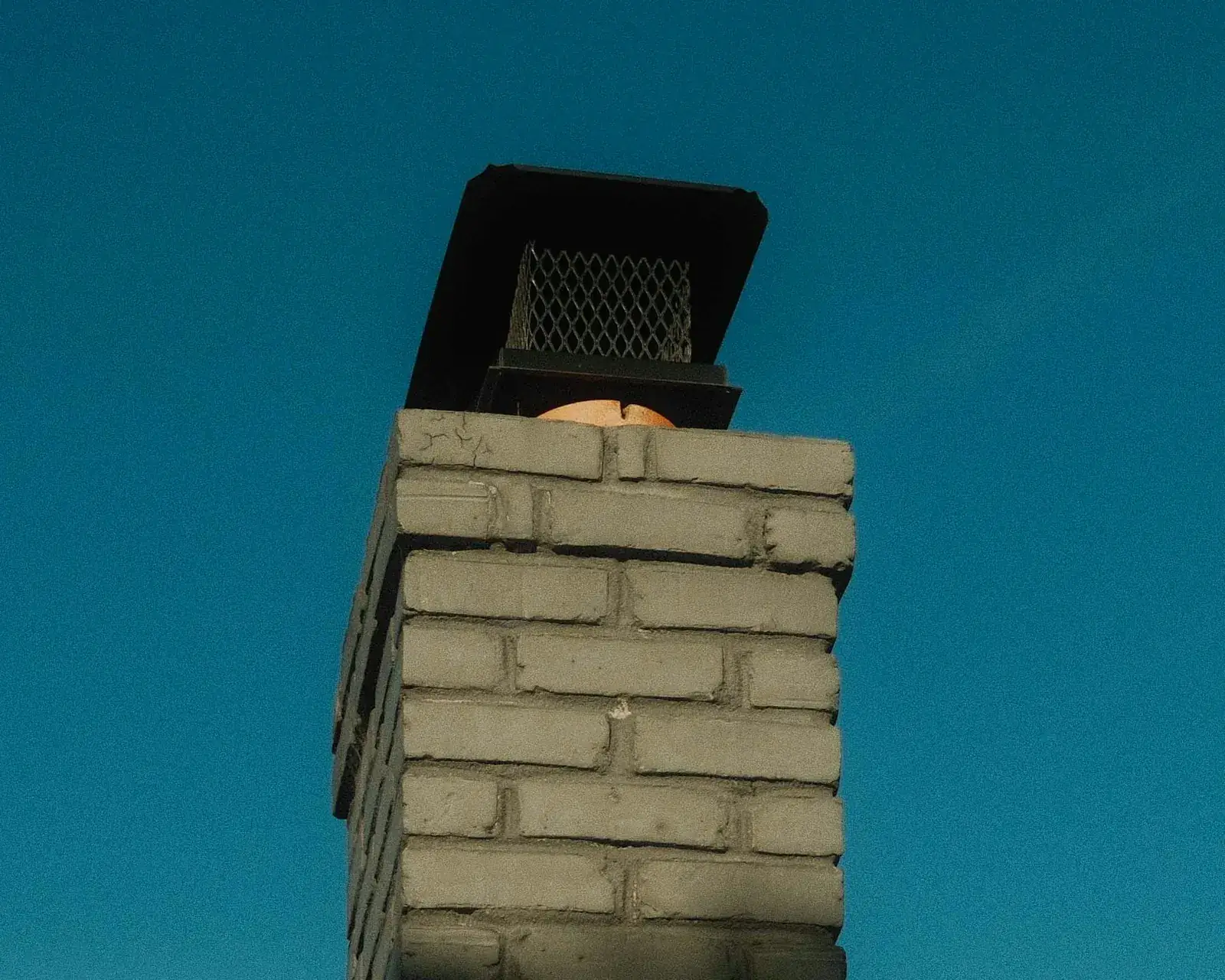 Does Minnesota require a metal liner for a gas furnace or water heater in a brick chimney?What Minn. R. 1346.5501 says about metal liners in brick chimneys that vent a gas furnace or water heater, which liners qualify, and what relining costs.
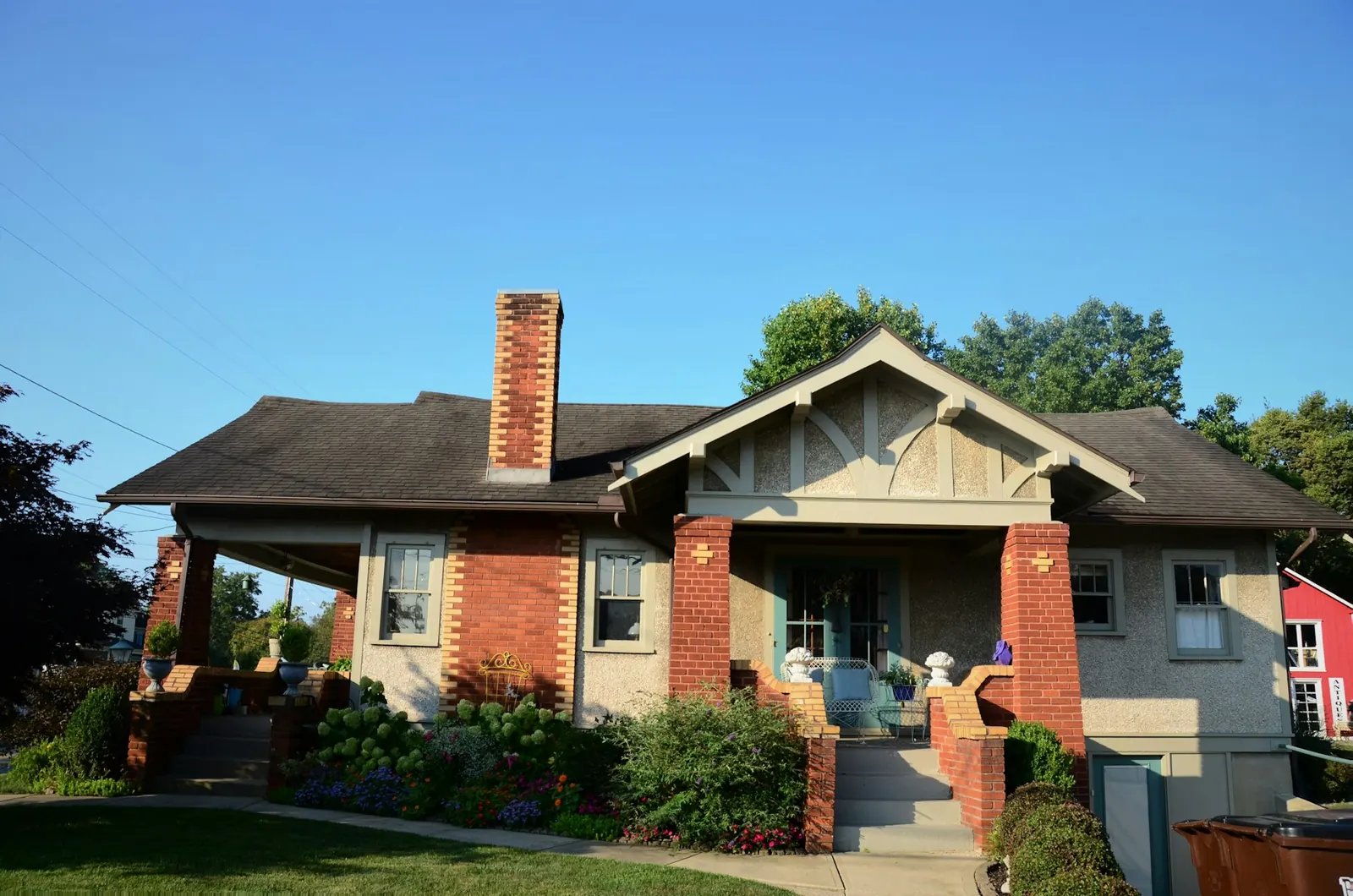 What happens to the water heater when a new furnace stops using the chimney?A new side-vented furnace can leave the water heater alone in an oversized brick flue. What IFGC 501.15 says about resizing, and how the fix works in Twin Cities homes.
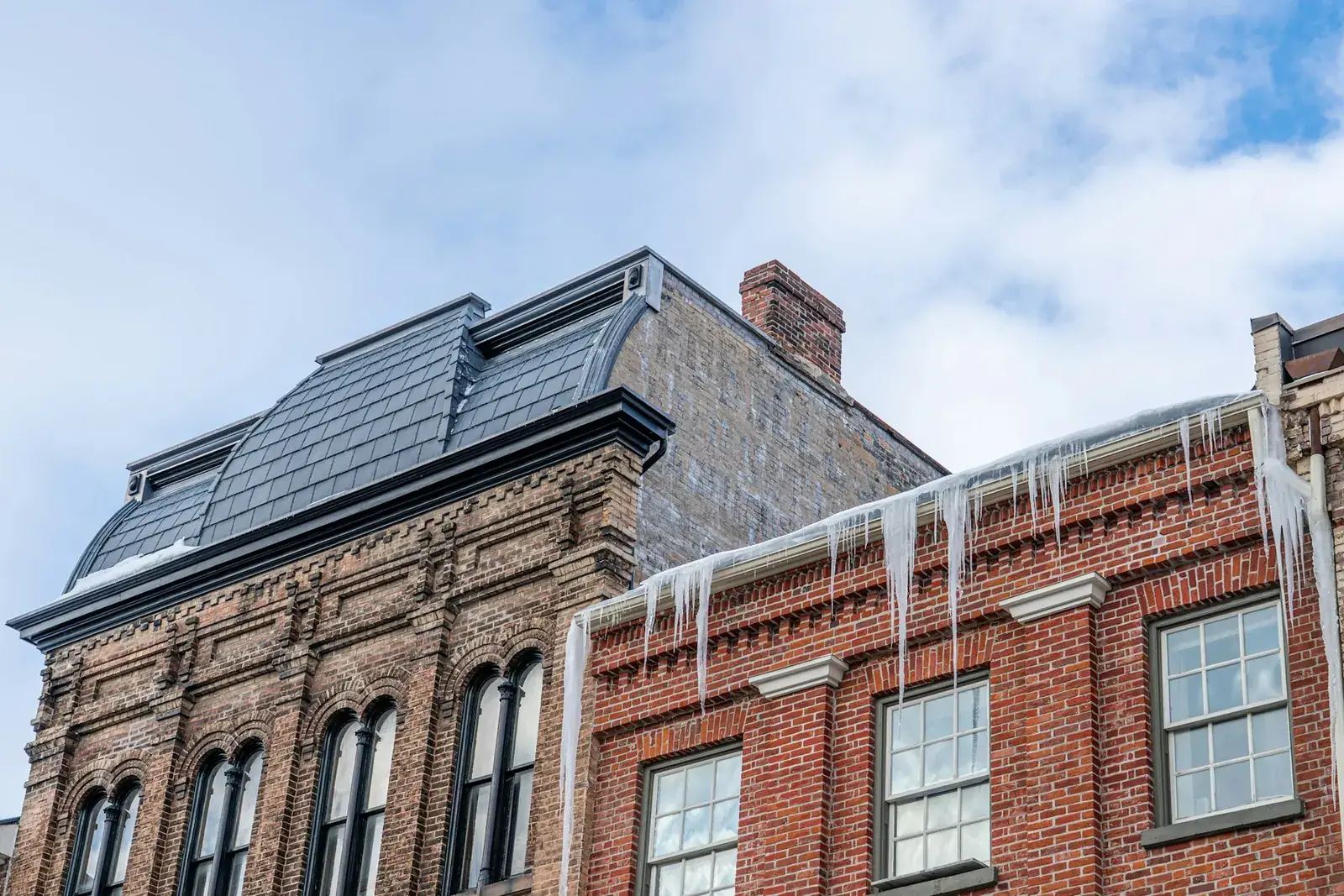 Is the winter leak in my ceiling an ice dam or the chimney?Water on the ceiling after a thaw can be an ice dam or a leaking chimney. Where the stain shows, what UMN Extension says about ice dams, and what each repair costs.
Book online
Choose a day. We'll bring the ladder.
Free inspection in a 3-hour arrival window: 8 to 11, 11 to 2, or 2 to 5, Sunday through Friday. We phone to confirm before we come.