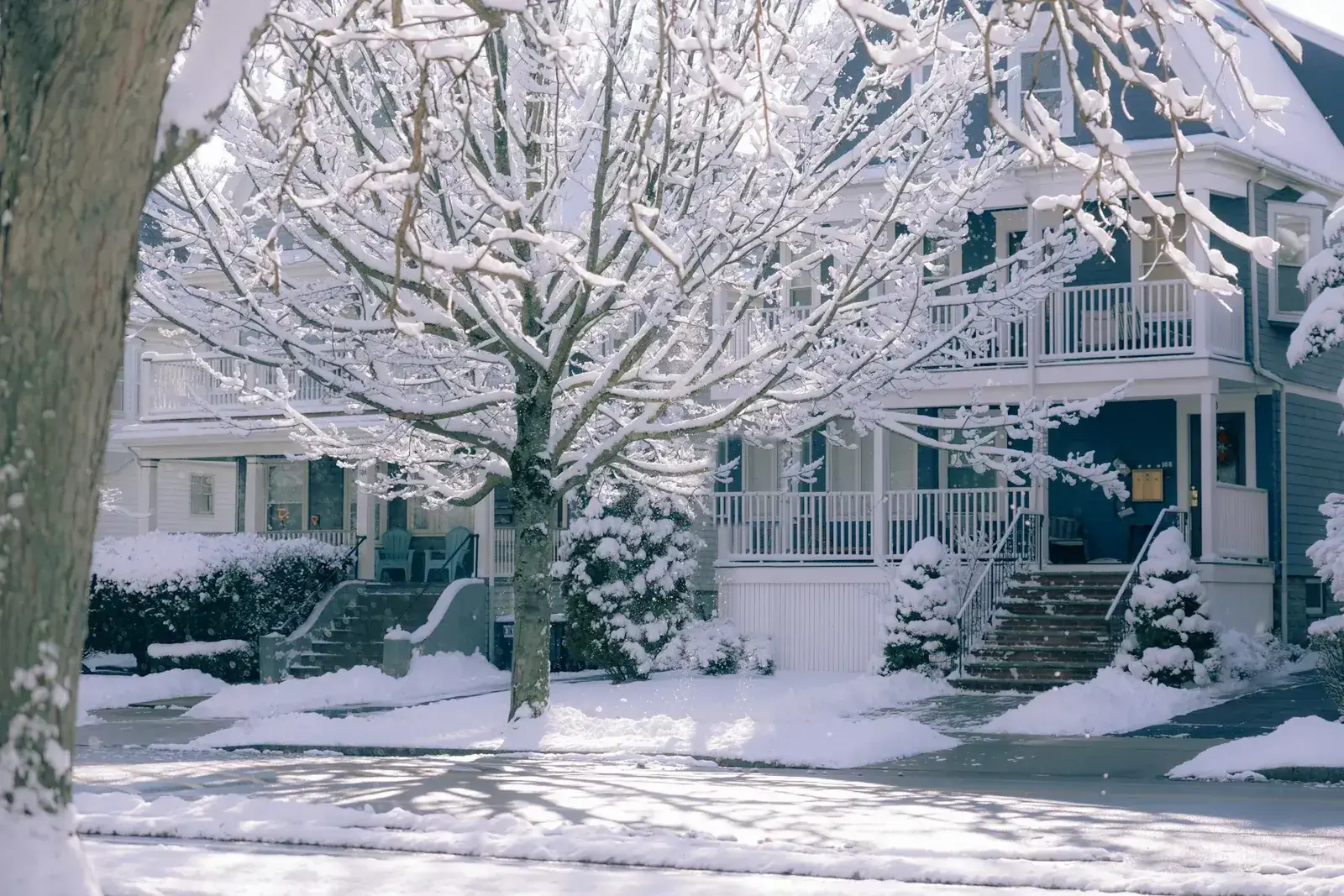
Minneapolis · St. Paul · Edina · Bloomington · Woodbury
Chimneys built for Minnesota winters.
Gas fireplace repair, furnace and water-heater liners, leak and ice-dam repair, tuckpointing, stucco and rebuilds, plus sweeping, across the Twin Cities. Every job starts with a free inspection.
What's going on?
Start with the symptom. See the fix.
The fireplace and chimney problems we get called about most in the Twin Cities, what usually causes each one, and the typical 2026 price range.
Typical 2026 price ranges. Cleanings are priced at the free inspection, and your exact price is in writing before anyone starts work.
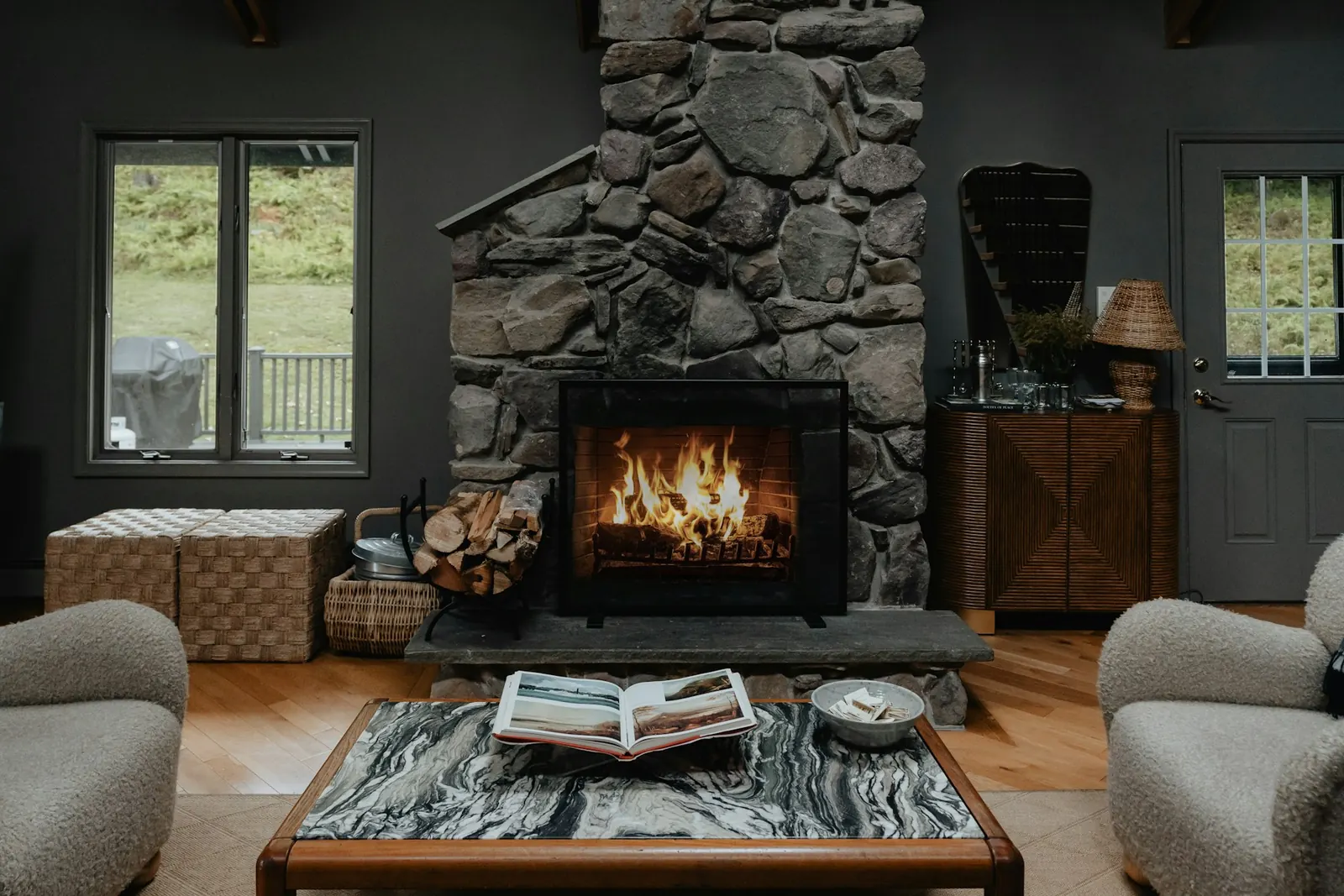
What's in your chimney
One brick stack, several jobs.
Gas heats most homes in the Twin Cities, so the old chimney beside the fireplace is often also the furnace and water-heater vent. Minnesota's fuel gas code does not let a gas appliance share a flue with a fireplace, and it calls for a metal liner where a masonry chimney vents gas. We trace every flue before we quote.
Masonry
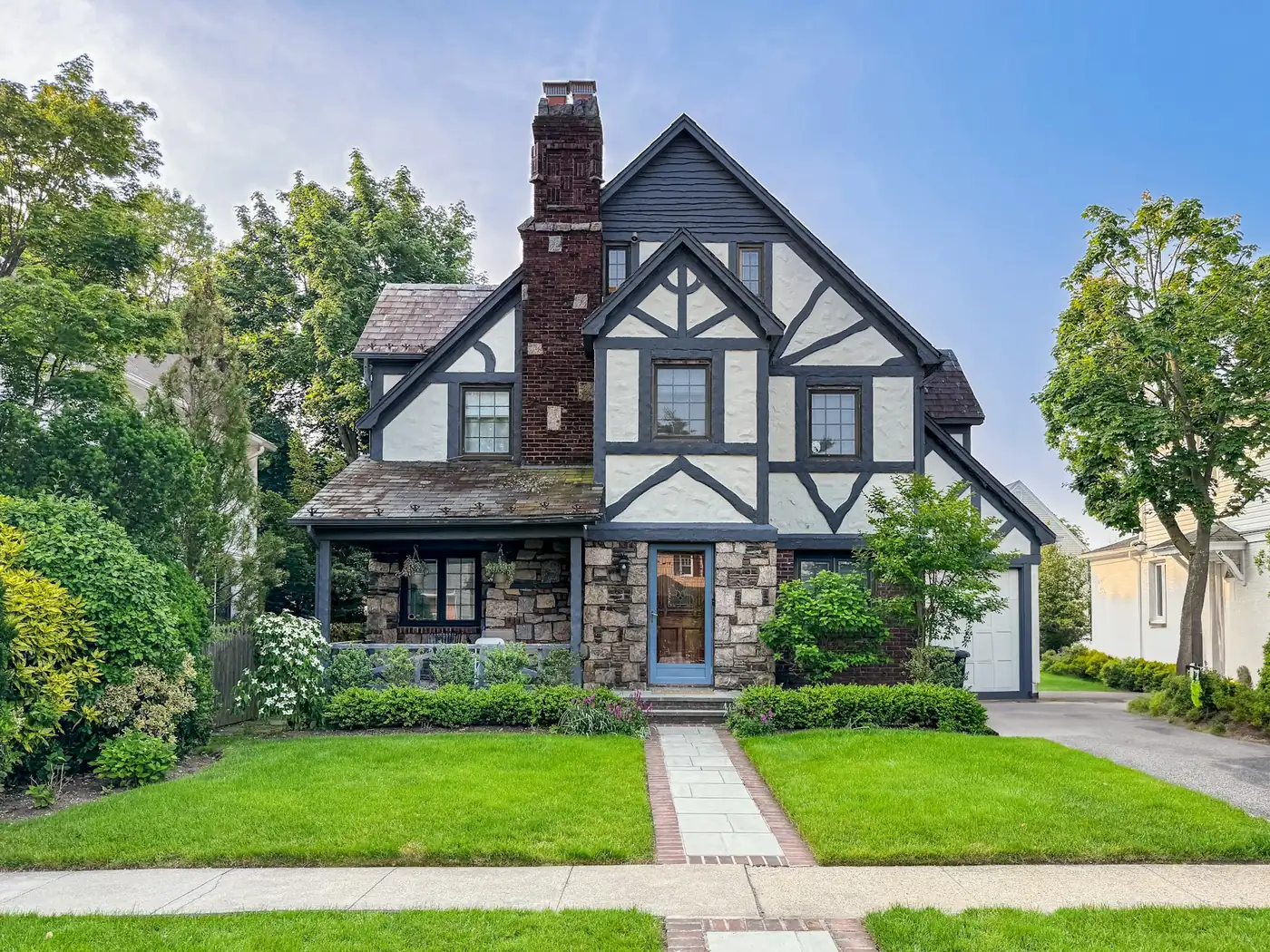
Brick, stucco and stone, top to bottom.
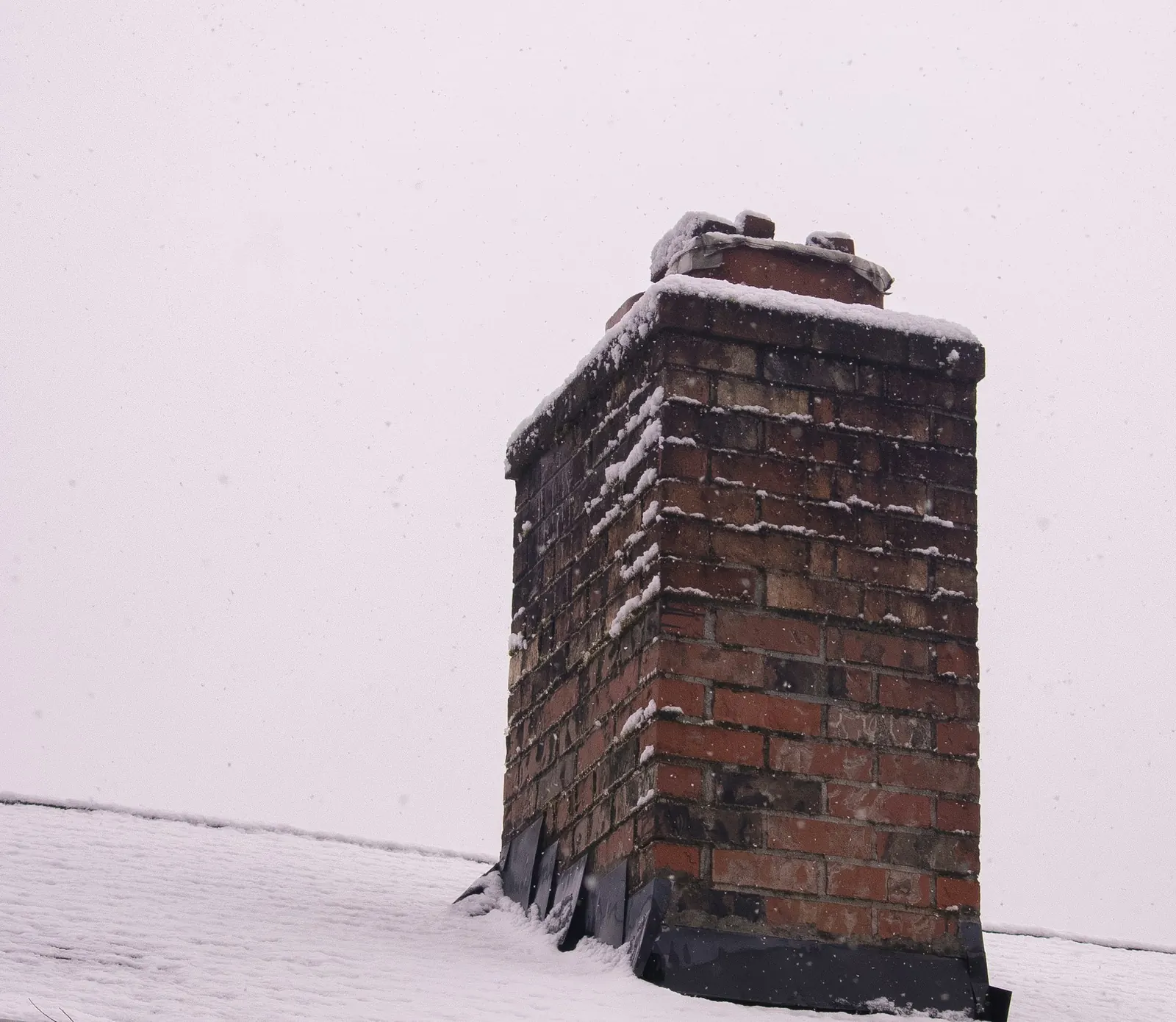
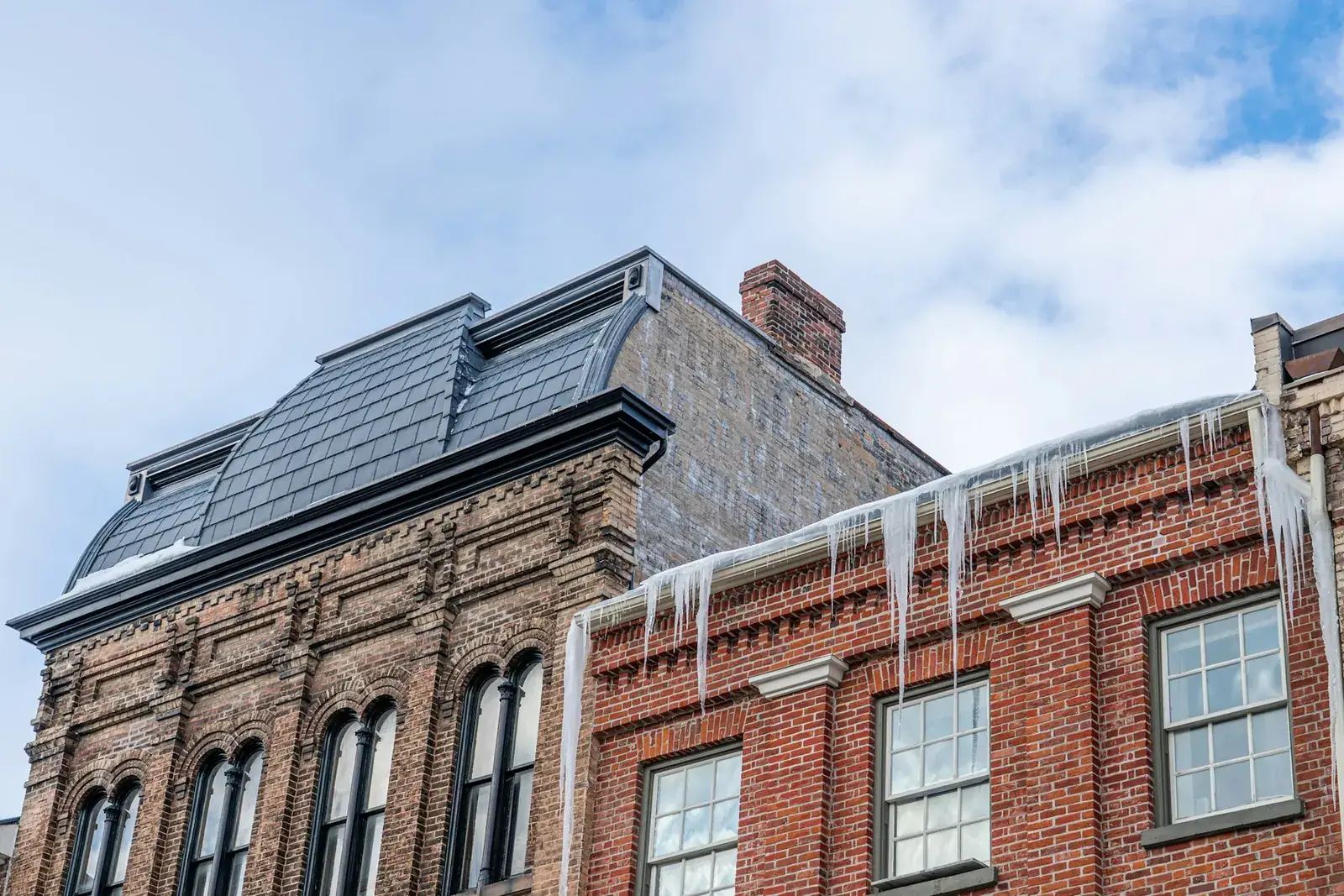
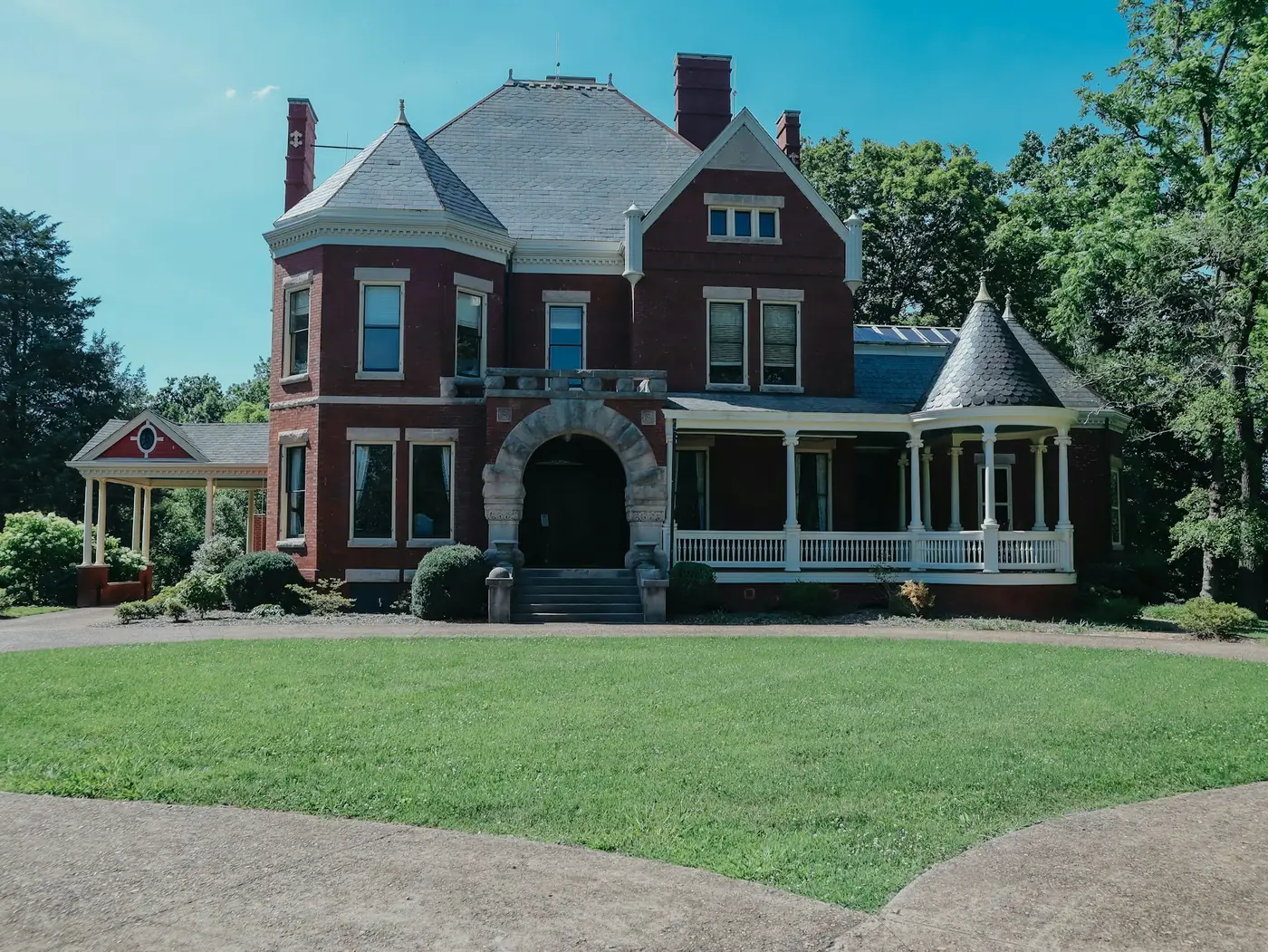
Prewar brick in Minneapolis and St. Paul, stucco-wrapped stacks, postwar ramblers in the first-ring suburbs and sided chases on newer houses. Each one fails in its own way, and we repair what can be saved before talking about a rebuild.
Why chimneys fail here
Cold, ice and a gas flue.
Three things we run into on Twin Cities roofs more than anything else.
nights at or below freezing
That is the yearly average at MSP airport (NOAA 1991–2020 normals), and on roughly 75 of those days the afternoon climbs back above freezing. Each swing works water deeper into a cracked crown or an open mortar joint. Chimney crown repair
dams that start at the chimney
The University of Minnesota Extension names fireplace and wood stove use as one way heat reaches the attic, melting roof snow that refreezes at the eaves. A stain near the chimney can be an ice dam, flashing or the crown. Leaks and ice dams
vents inside old brick
Natural gas heats roughly two-thirds of homes in Minneapolis and St. Paul and more in most suburbs (Census ACS). Minnesota code requires a metal liner in a masonry chimney that vents a gas furnace or water heater. Furnace and water heater liners
The first visit
The inspection costs nothing.
We look first, photograph what we find, and hand you a written price before any work. Cleanings are priced at that visit, not over the phone.
Chimney inspection
- Crown, cap, flashing and masonry from the roof
- Flue, damper, smoke chamber and firebox from inside
- Which appliances vent into which flue
- Photos and a written price for anything that needs doing
Buying or selling a house
- The same top-to-bottom look before closing
- Written findings you can share with the other side
- The Minnesota seller's disclosure form asks whether the fireplace, its mechanisms and any wood stove are in working order
Gas fireplaces
Gas fireplaces, fixed and serviced.
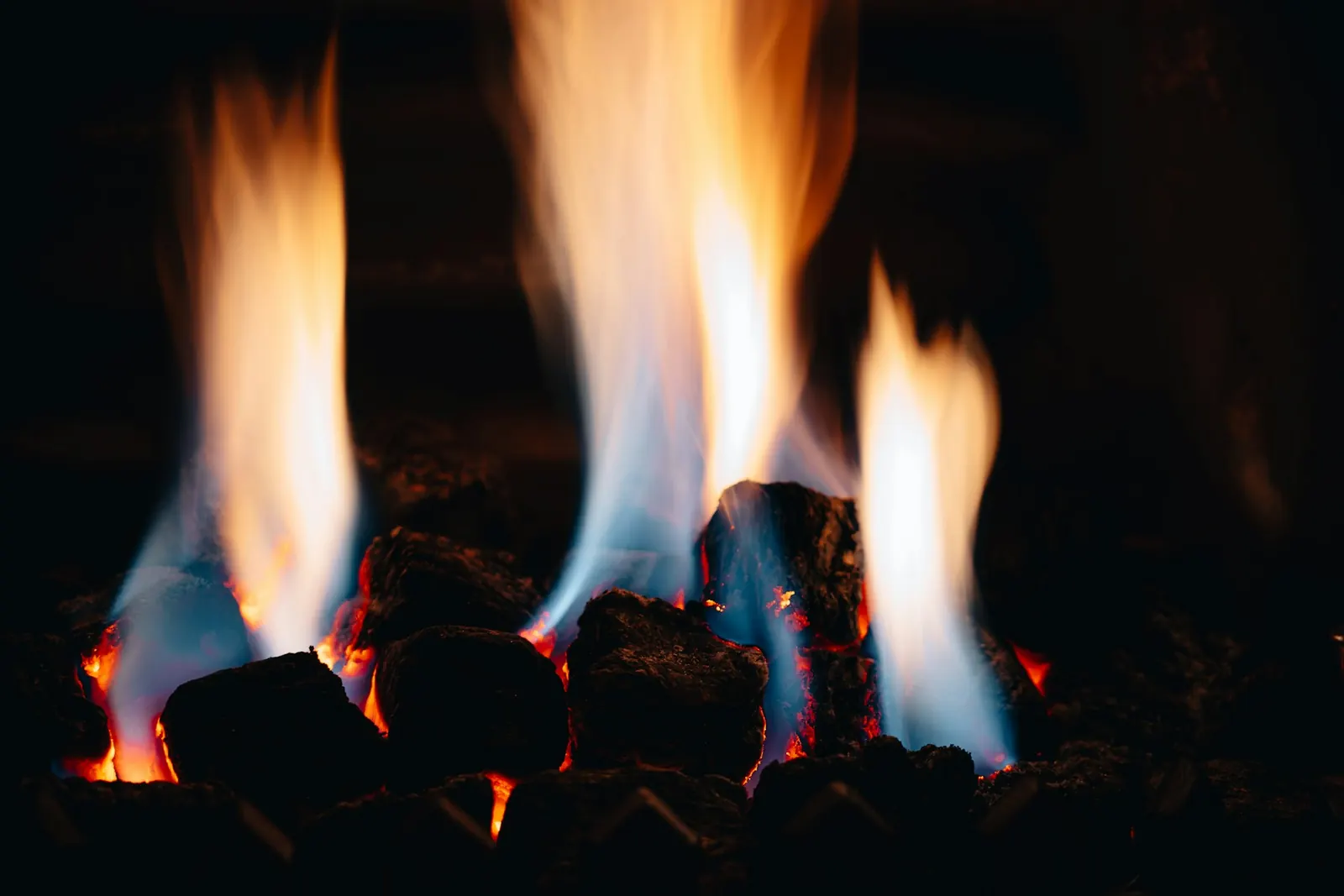
Across Minnesota, people search for gas fireplace repair as often as for a chimney sweep, and gas inserts even more. We diagnose pilots, thermocouples, thermopiles, igniters and valves, service the burner and glass, and fit gas inserts and log sets into old wood fireplaces. If you ever smell gas, leave the house first, then call 911 and your gas utility from outside.

Where we work
The Twin Cities, Anoka to Lakeville.
FAQ
Questions
Is the chimney inspection really free?
Yes. We check the chimney from the roof and from inside, photograph what we find and write down the price of anything that needs doing before any work starts. Cleanings are priced at that same visit.
Does Minnesota require a liner if my furnace or water heater vents into the chimney?
Minnesota's fuel gas code (Minn. R. 1346.5501) says an approved metal liner shall be installed in masonry chimneys used to vent gas appliances, aluminum or stainless steel of a set minimum thickness, or a listed vent system. The same rule bars connecting any appliance to a flue that serves a fireplace.
My new furnace vents out the side of the house. Is the water heater still safe in the chimney?
Have it checked. When an appliance is permanently disconnected from a chimney, the fuel gas code adopted in Minnesota says the chimney must be resized as needed to control condensation and keep enough draft. A water heater left alone in a large, cold masonry flue is the classic case, and a liner sized to it is the usual fix.
Where do carbon monoxide alarms have to go in Minnesota?
Minnesota law (Minn. Stat. 299F.51) requires an approved, working carbon monoxide alarm within 10 feet of every room used for sleeping, in every single-family home and in every unit of a multifamily building.
Is it an ice dam or a chimney leak?
It can be either. The University of Minnesota Extension explains that ice dams form when uneven roof temperatures melt snow that refreezes at the cold eaves, and it lists fireplace and wood stove use among the ways heat reaches the attic. A stain that shows up at the chimney in any thaw points to the crown or flashing; one at the eaves points to an ice dam. We check both at the free inspection.
How often should a chimney be inspected?
NFPA 211, the national standard, says chimneys, fireplaces and vents should be inspected at least once a year and cleaned or repaired as needed. That includes the chimney or vent serving a gas furnace, water heater or gas fireplace.
Book online
Choose a day. We'll bring the ladder.
Free inspection in a 3-hour arrival window: 8 to 11, 11 to 2, or 2 to 5, Sunday through Friday. We phone to confirm before we come.