Chimney and fireplace service around Lake Minnetonka and the Northwest
The NOAA station at Chanhassen averages more snow than any other metro station in its 1991–2020 normals that we compared. We inspect your chimney for free and write the price down first.
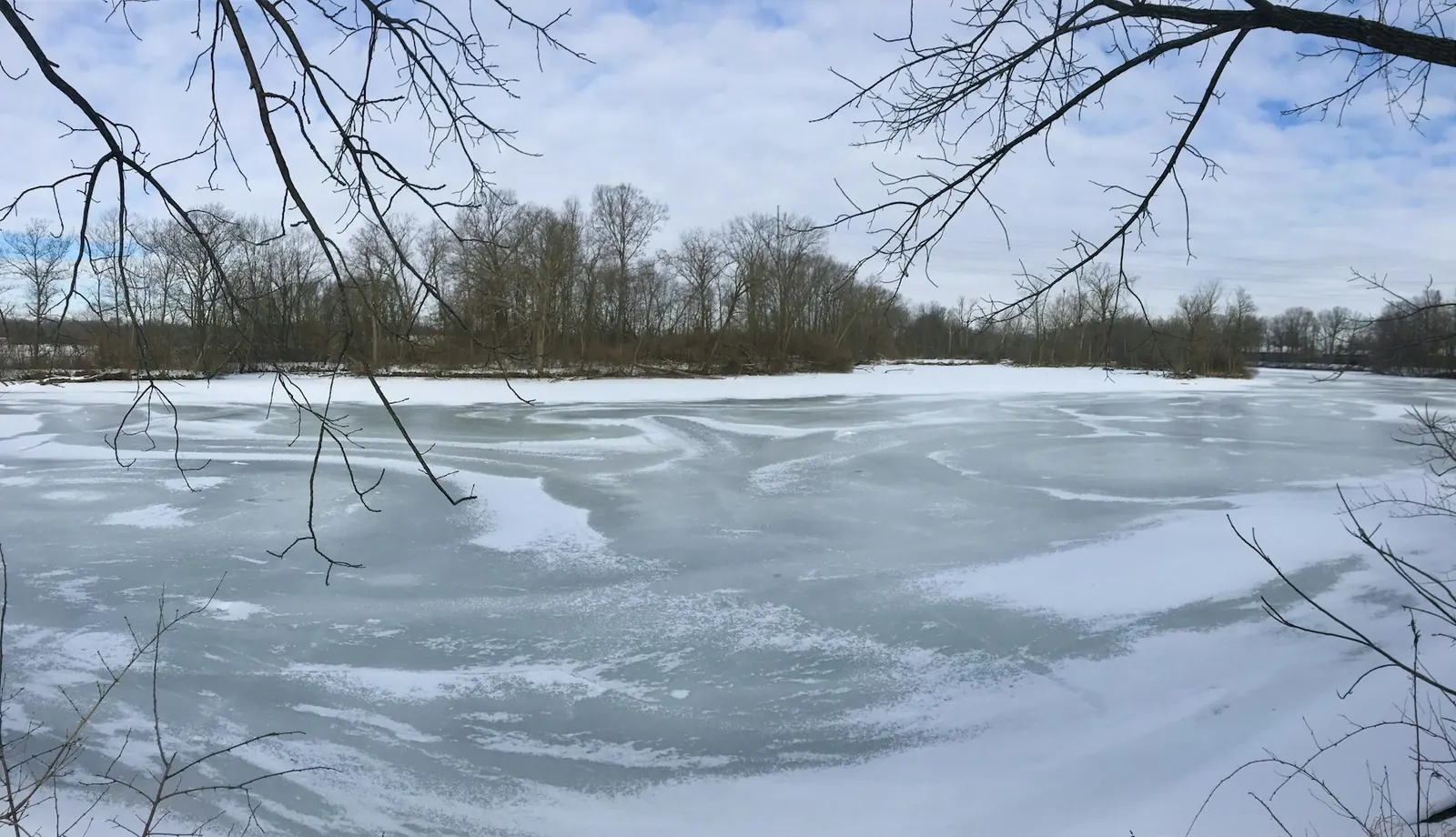
The National Weather Service office in Chanhassen sits at the southern edge of this area, and its 1991–2020 NOAA normals show about 54.7 inches of snow a year, a few inches more than MSP airport, with about 91 days of an inch or more on the ground. It also averages about 156 nights at or below freezing and about 27 below zero. Around the lake, a chimney spends a good part of the year wrapped in snow and ice.
The housing here is younger than the city's and mixed. Minnetonka's median home dates to 1981, with about a fifth built between 1940 and 1959, so masonry fireplaces from the 1950s through the 1970s are common. Plymouth and Wayzata both have a median of 1988, and Wayzata has 40 percent of its homes built in 2000 or later. Gas heats about 79 percent of homes in Minnetonka and 82 percent in Plymouth. Wayzata has the highest share of homes heated mainly with wood among the cities in the Census data we use, though it is still under 1 percent.
Snow, drifts and the uphill side of the chimney
A wide chimney on a sloped roof catches drifting snow on its uphill face, and every thaw sends that water against the flashing. The current Minnesota Residential Code calls for a cricket, a small peaked diverter, behind any chimney wider than 30 inches along the ridge. Many older chimneys around the lake never got one. Flashing repair runs $300 – $1,800, and we price a cricket at the inspection once we have measured the chimney.
Height matters in heavy snow too. The code wants a chimney at least 3 feet above where it passes through the roof and 2 feet above anything within 10 feet. A short stack next to a second-story addition draws poorly and can be buried by drifts.
Chase covers on 1980s and 1990s homes
Most Plymouth homes and many of the newer Minnetonka and Chanhassen houses have a factory-built fireplace with a metal flue inside a framed chase. The sheet-metal cover on top of that chase carries snow load all winter, and once it sags or rusts, water pools and runs into the framing. A stainless or galvanized replacement with a slope and a drip edge solves it.
- Chase cover replacement: $300 – $700
- Factory-built chimney repair: $250 – $1,200
- Chimney cap, installed: $200 – $850
Turning a wood fireplace into gas
Many owners in Minnetonka and Orono have an open masonry fireplace that loses more heat up the flue than it gives the room. A direct-vent gas insert closes the opening and vents through a liner run up the old chimney. Inserts installed typically run $2,000 – $5,000, and a gas log set, which keeps the open look, runs $300 – $2,000. Wayzata's building department publishes a fireplace handout, and we check what your city requires before the install is scheduled.
FAQ
Lake Minnetonka & the Northwest questions
Snow drifts behind our chimney every winter. Do we need a cricket?
If the chimney is wider than 30 inches on the side facing the ridge, the current Minnesota Residential Code calls for one, and it is the usual fix for leaks that appear only after a thaw. We measure it at the free inspection and price it there.
The top of our chase is rusty. Is that urgent?
Rust stains on the siding below the chase usually mean water is already getting in. A replacement chase cover runs $300 – $700. The sooner it is done, the less framing and fireplace trim has to be repaired.
Can our old wood fireplace take a gas insert?
Usually, if the firebox is sound and the flue can take a liner. We check both at the free visit and give you a written price for the insert and the liner together.
Do lake homes need anything different?
Not by code. The same freeze-thaw and snow-load checks apply, so we pay close attention to the crown, the cap and the flashing, and to anything a second-story addition or a tall tree has changed around the chimney.
Book online
Choose a day. We'll bring the ladder.
Free inspection in a 3-hour arrival window: 8 to 11, 11 to 2, or 2 to 5, Sunday through Friday. We phone to confirm before we come.