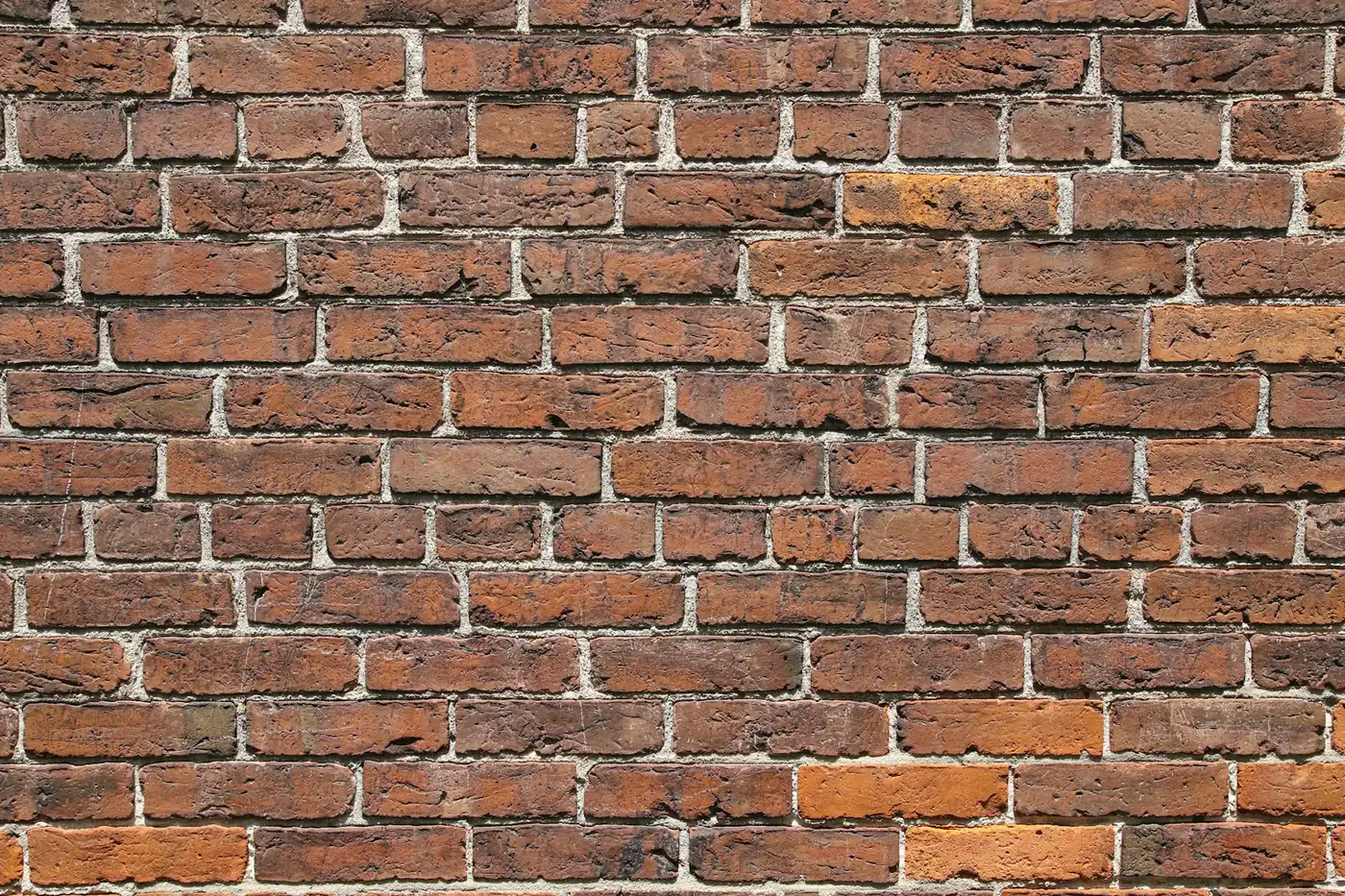
Chimney Tuckpointing for Twin Cities Homes
When the mortar between the bricks goes soft and sandy, water gets straight into the stack. We grind out the worn joints and refill them with mortar that suits your brick, before the bricks themselves start to fail.
Mortar is the sacrificial part of a brick chimney. It is meant to wear before the brick does, and in our climate it gets plenty of wear. NOAA's normals give the MSP airport about 147 nights a year at or below freezing, and by our arithmetic about 75 days that freeze at night and thaw in the afternoon. Joints near the top of the stack, where snow sits and rain hits hardest, usually go first.
Tuckpointing, also called repointing, means cutting the old mortar out to a set depth and packing new mortar in its place. Done before the bricks crack, it is the least expensive way to keep a chimney standing. Typical chimney tuckpointing runs $500 to $2,500, and if some bricks have already spalled, replacing them at the same visit is $1,000 to $3,500.
Signs you need this
- Mortar that crumbles when you scratch it with a key
- Joints that are recessed well back from the brick face
- Sand or mortar bits on the roof below the chimney
- Gaps you can see daylight through in the attic
- Water stains or efflorescence on the chimney inside
How we do it
- Free inspectionWe check the joints from top to bottom and decide how much needs repointing.
- Pick the mortarWe choose a mix that is not harder than your brick and match the color.
- Cut out the old jointsWorn mortar is ground or raked out to a consistent depth without chipping the brick edges.
- Repoint in layersNew mortar is packed in, then tooled to match the joint shape of the original.
- Clean up and checkExcess mortar is brushed off and we photograph the finished stack.
Why the mortar matters on older brick
Many older chimneys in the Twin Cities were built of softer brick laid in lime-rich mortar. A hard modern mix in those joints forces the brick to absorb movement it was never meant to, and the brick faces break off. We choose mortar for the brick in front of us, not a one-size bag.
Permits and historic areas
In St. Paul, a permit is needed for tuckpointing on a house in a Historic Preservation Area regardless of the job's value, according to the city's Department of Safety and Inspections. Minneapolis historic properties have their own preservation review. Outside those areas, rules vary by city, and we check what your city requires before quoting.
Timing the work
Mortar needs temperatures above freezing to cure. We schedule tuckpointing from spring through fall and avoid days when a hard frost is forecast in the following nights.
- Spring: repair winter damage once the roof is clear
- Summer and early fall: the best curing weather
- Late fall: book early, before the first hard freeze
- Winter: emergency patches only
FAQ
Chimney Tuckpointing questions
How long does tuckpointing last?
Done with the right mortar and with the crown and flashing keeping water out, it typically lasts decades. A failing crown above it shortens that a lot, so we check the top too.
Can you tuckpoint just part of the chimney?
Yes. Often only the top few feet need it. We match the new joints to the old ones so the repair blends in.
What does chimney tuckpointing cost?
Typically $500 to $2,500. Spalled bricks replaced at the same time are $1,000 to $3,500.
Is tuckpointing the same as repointing?
In everyday use, yes. Both mean removing worn mortar and replacing it.
Related
Masonry, leaks and rebuilds
Book online
Choose a day. We'll bring the ladder.
Free inspection in a 3-hour arrival window: 8 to 11, 11 to 2, or 2 to 5, Sunday through Friday. We phone to confirm before we come.