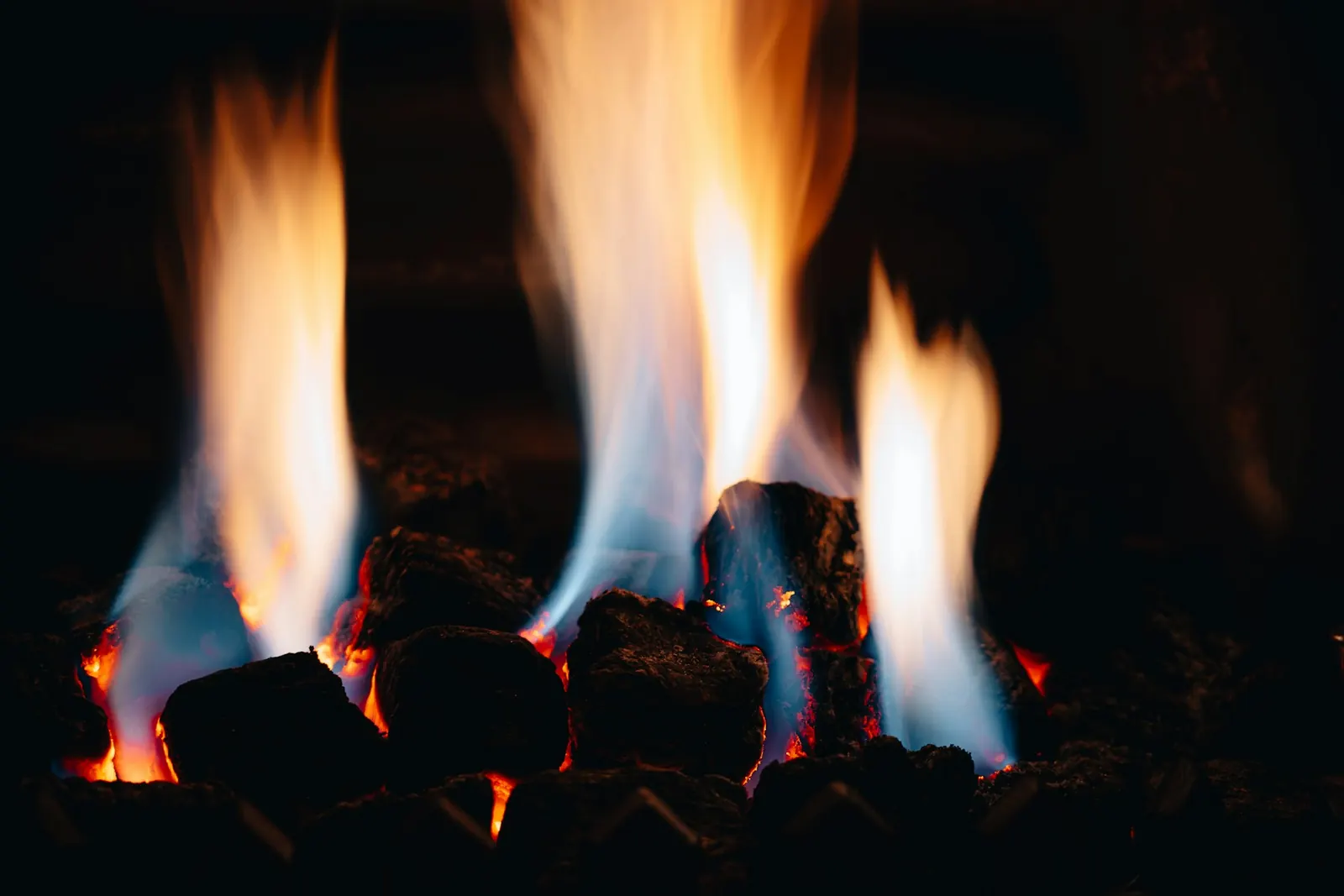
Why does my gas fireplace go out when it gets really cold?
Usually it is a weak safety sensor, not the cold itself. A thermocouple or thermopile that is worn or dirty may still work on a mild day but fail when a hard cold snap pushes cold air down the vent and makes the burner work harder. Ice or drifted snow on the outside vent can do it too. Most fixes are a single part, $90–$350.
Minneapolis Fireplace & Chimney · October 29, 2026
How a gas fireplace decides to stay on
Most gas fireplaces and inserts in Twin Cities homes either have a standing pilot, a small flame that stays lit all the time, or an electronic igniter that lights the pilot on demand. Either way, a sensor sits in the pilot flame. A thermocouple makes a tiny electrical current when it is hot, and that current holds the gas valve open. A thermopile does the same with a bit more output, enough to run the wall switch or remote.
If that current drops below what the valve needs, the valve shuts the gas off. That is the safety design working. The question is why the current dropped.
Why cold weather exposes a weak part
Twin Cities winters are hard on these systems. NOAA's 1991–2020 normals for the MSP airport show about 22 nights a year at or below zero, and the MN DNR climate office recorded a low of −28°F there on January 30, 2019. In that kind of cold, a direct-vent fireplace is pulling frigid outside air in through its vent to burn, and wind can push air down the pipe hard enough to bend the pilot flame away from the sensor.
A sensor in good shape tolerates that. One that is coated with soot or near the end of its life produces a weaker signal to start with, and a flickering flame drops it below the line. That is why owners often notice the problem on the first bitterly cold, windy night of the season.
- Pilot goes out after the main burner has run a while.
- Pilot stays lit but the main burner will not come on from the switch or remote.
- Fireplace lights, runs a few minutes and shuts off.
- Pilot flame looks small, lazy or blue only at the tip.
- Problem only happens on windy nights or in deep cold.
Check the outside vent first
A direct-vent fireplace has a vent termination on an outside wall or the roof. After a big snow or a stretch of drifting, look at it. Snow piled against it, or a crust of ice, can starve the fire of air or push exhaust back in, and the safety system will shut the unit down. Clear it gently by hand, with no tools that can dent the cap, and keep it clear the rest of the winter. If the cap is damaged or sits low enough that it drifts over every storm, tell us.
If you ever smell gas, do not try to relight anything. Leave the house, then call 911 and your gas utility from outside.
What the usual repairs cost
Most "won't stay lit" calls end with one part. These are the national ranges we print, installed:
- Igniter: $90–$150
- Pilot assembly: $100–$350
- Thermocouple: $150–$350
- Thermopile or gas valve: $150–$300
Preventing a midwinter outage
A yearly service before the heating season cleans the pilot hood and burner, checks the sensor output, inspects the glass gasket and looks at the vent from outside. NFPA 211, the national chimney and vent standard, calls for chimneys, fireplaces and vents to be inspected at least once a year. Gas fireplace service is priced at the inspection, and the diagnosis itself is free.
Our visits run Sunday through Friday in 3-hour windows. When it is below zero, the calls stack up; booking in fall avoids the wait.
FAQ
More answers
Can I relight the pilot myself?
Yes, following the instructions on the plate inside the lower grille. If it will not stay lit after two tries, or you smell gas, stop and call.
Should I turn the pilot off in summer?
Many owners do to save gas, and that is fine for a standing pilot. Relight it, or have it serviced, before the first cold night.
Is it normal for the glass to fog when the fireplace starts?
A little condensation on cold glass at startup is common and clears as it warms. Heavy fogging, white film or soot on the glass is worth a look.
Keep reading
More from the blog
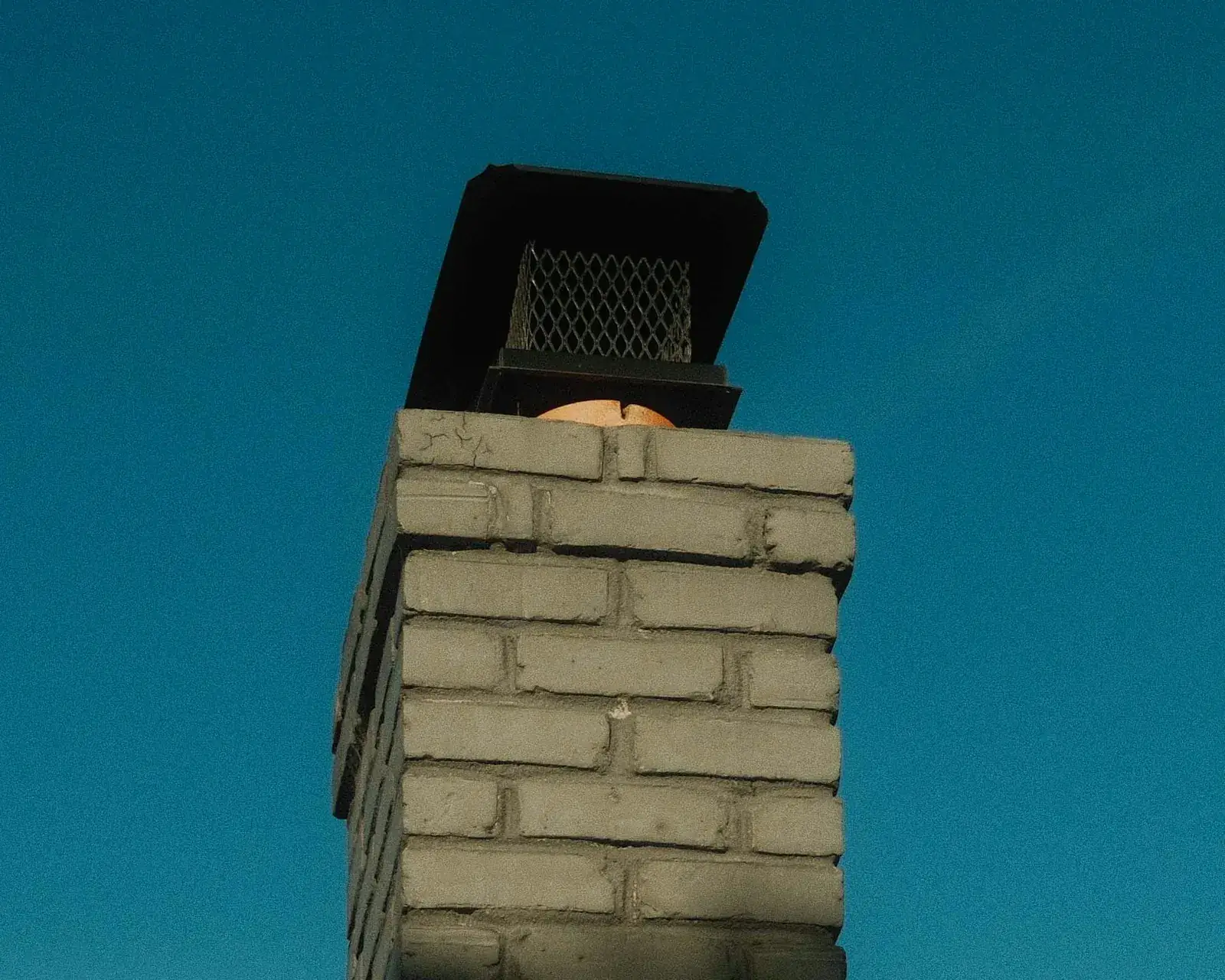 Does Minnesota require a metal liner for a gas furnace or water heater in a brick chimney?What Minn. R. 1346.5501 says about metal liners in brick chimneys that vent a gas furnace or water heater, which liners qualify, and what relining costs.
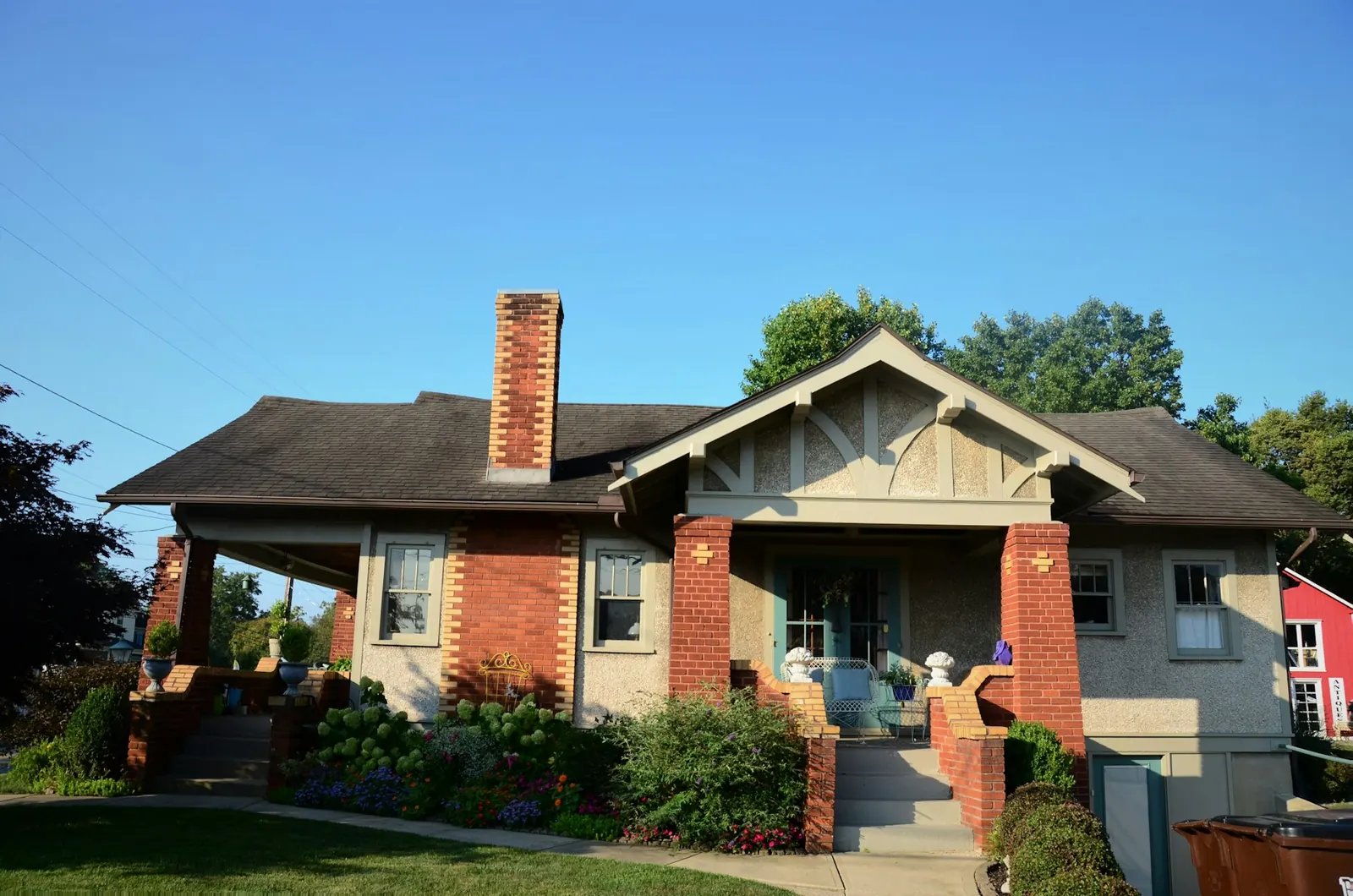 What happens to the water heater when a new furnace stops using the chimney?A new side-vented furnace can leave the water heater alone in an oversized brick flue. What IFGC 501.15 says about resizing, and how the fix works in Twin Cities homes.
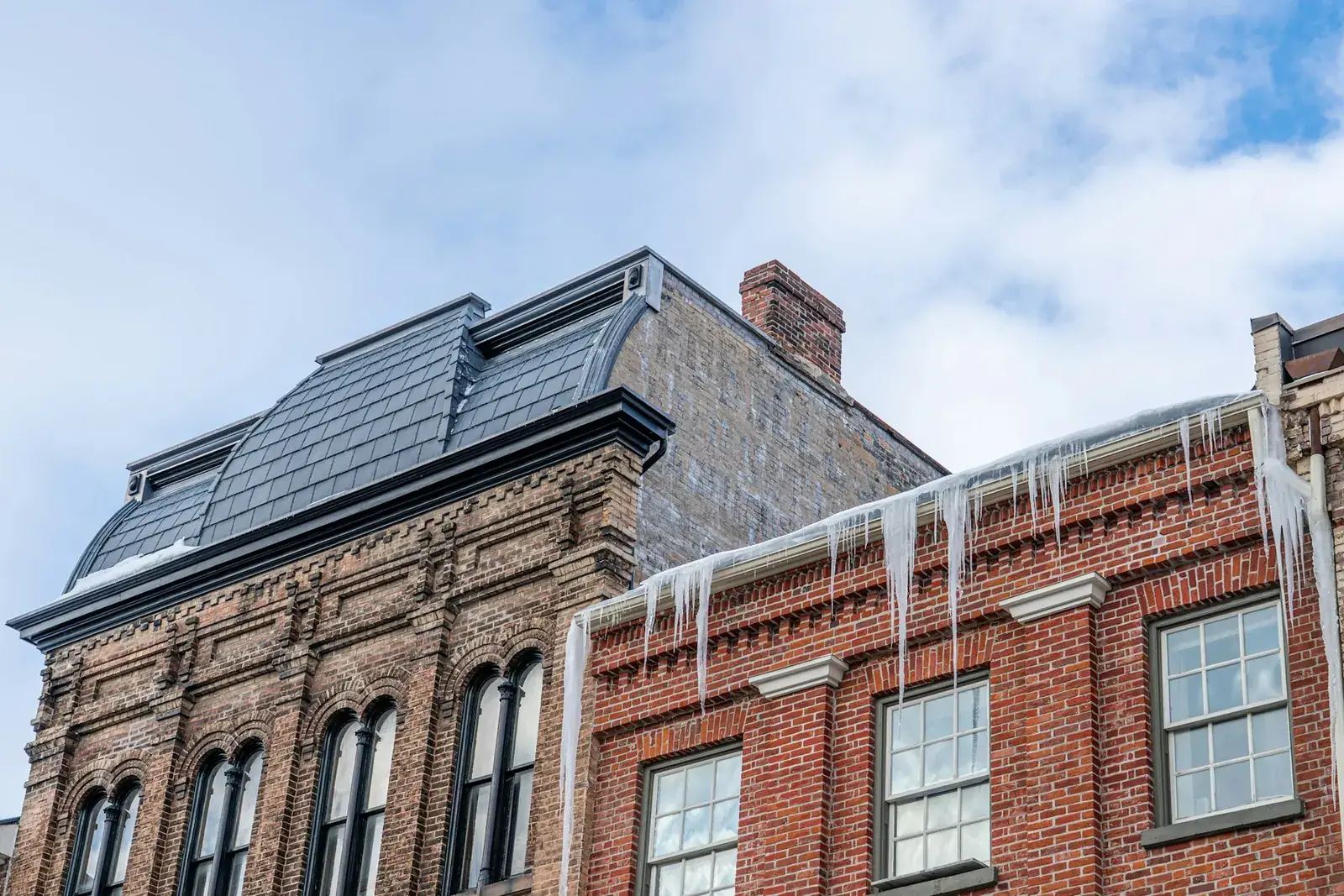 Is the winter leak in my ceiling an ice dam or the chimney?Water on the ceiling after a thaw can be an ice dam or a leaking chimney. Where the stain shows, what UMN Extension says about ice dams, and what each repair costs.
Book online
Choose a day. We'll bring the ladder.
Free inspection in a 3-hour arrival window: 8 to 11, 11 to 2, or 2 to 5, Sunday through Friday. We phone to confirm before we come.