
Why is my chase cover rusting, and does it need to be replaced?
A chase cover is the metal lid on top of the boxed-in chimney of a factory-built fireplace. Many original covers are thin galvanized steel, flat on top, and after 25 or 30 Minnesota winters they rust through and let water into the chase. Replacement with a sloped, heavier cover typically runs $300–$700.
Minneapolis Fireplace & Chimney · October 26, 2026
What a chase is
If your fireplace sits in a framed box that sticks out from the house and up through the roof, sided to match the walls, you have a chase. Inside is a factory-built fireplace and its metal flue pipe, not masonry. The chase cover is the sheet of metal across the top, with a collar where the flue comes through and a cap over the flue.
This setup is the norm in the newer suburbs. Census ACS 2024 five-year data put the median home's construction year at 1991 in Maple Grove, 1996 in Blaine, 1997 in Woodbury and 1999 in Lakeville. In Lakeville, nearly half of homes were built in 2000 or later. A home from the early 1990s is now carrying its original chase cover into its fourth decade.
How chase covers fail
Builder covers were often light galvanized steel cut flat. Snow sits on them, melts in the sun, and the water pools in the middle. The galvanizing wears through, rust follows, and eventually the cover leaks at the seams, around the collar or through pinholes. NOAA normals show about 51 inches of snow a year at MSP, and about 90 days with an inch or more on the ground, which is a lot of standing water on a flat lid.
- Rust streaks running down the chase siding below the top.
- A cover that sags in the middle or holds water after rain.
- Water stains or rust inside the firebox or on the fireplace doors.
- Swollen, soft or peeling siding or trim near the top of the chase.
- A musty smell from the fireplace in wet weather.
What water does inside a chase
Once a cover leaks, water drips onto the flue pipe and the fireplace below. The metal firebox can rust, the framing inside the chase can rot, and wet insulation stops doing its job. In winter, that same water freezes and thaws inside the box. By the time a homeowner sees a stain on the ceiling or wall next to the fireplace, the leak has usually been going for a while.
The repair is not always only the cover. If the framing at the top is soft, it has to be fixed before a new cover can be fastened down. Factory-built chimney repair, which includes parts like the flue collar, storm collar and cap, typically runs $250–$1,200 depending on what is damaged.
What a good replacement looks like
We replace a flat cover with one that is sloped or cross-broken so water runs off, with a drip edge that sheds water away from the siding and a raised collar around the flue. Stainless steel lasts much longer than galvanized. A chase cover replacement typically runs $300–$700, and the flue cap that sits on top is matched to the fireplace maker's specifications so the system stays as it was listed.
Because the fireplace and chimney are a factory-built system, some cities treat work on them as mechanical permit work. St. Paul requires a mechanical permit for factory-built fireplaces, and Brooklyn Park lists chimney work on its homeowner mechanical permit list. A cover swap is typically a simpler job, but we check what your city requires before scheduling.
Getting it checked
Our inspection is free. We go on the roof, look at the cover, collar and cap, open the fireplace to check for rust and water, and photograph everything. You get a written price before any work. Visits run Sunday through Friday in 3-hour windows.
FAQ
More answers
Can I just paint a rusty chase cover?
Paint can slow surface rust for a season, but it does not fix a cover that holds water or has rusted through. A sloped replacement solves the cause.
Is a chase cover the same as a chimney cap?
No. The cap sits on the flue pipe and keeps rain, animals and sparks out of the flue. The chase cover is the larger lid that seals the whole top of the chase.
My fireplace is gas. Does it still have a chase cover?
If the vent runs straight up through the roof inside a chase, yes. Many gas units vent sideways through the wall instead and have no chase at all.
Keep reading
More from the blog
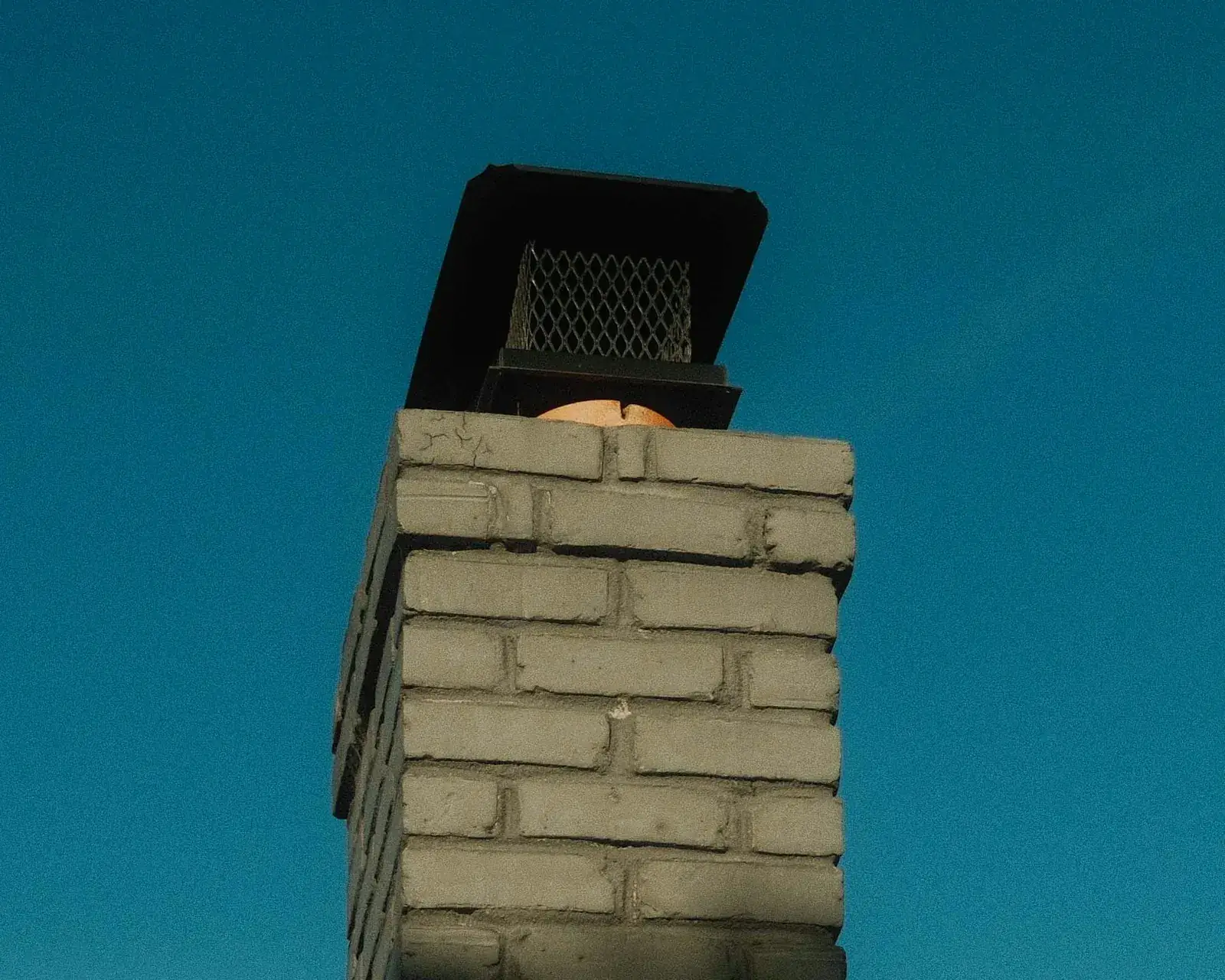 Does Minnesota require a metal liner for a gas furnace or water heater in a brick chimney?What Minn. R. 1346.5501 says about metal liners in brick chimneys that vent a gas furnace or water heater, which liners qualify, and what relining costs.
 What happens to the water heater when a new furnace stops using the chimney?A new side-vented furnace can leave the water heater alone in an oversized brick flue. What IFGC 501.15 says about resizing, and how the fix works in Twin Cities homes.
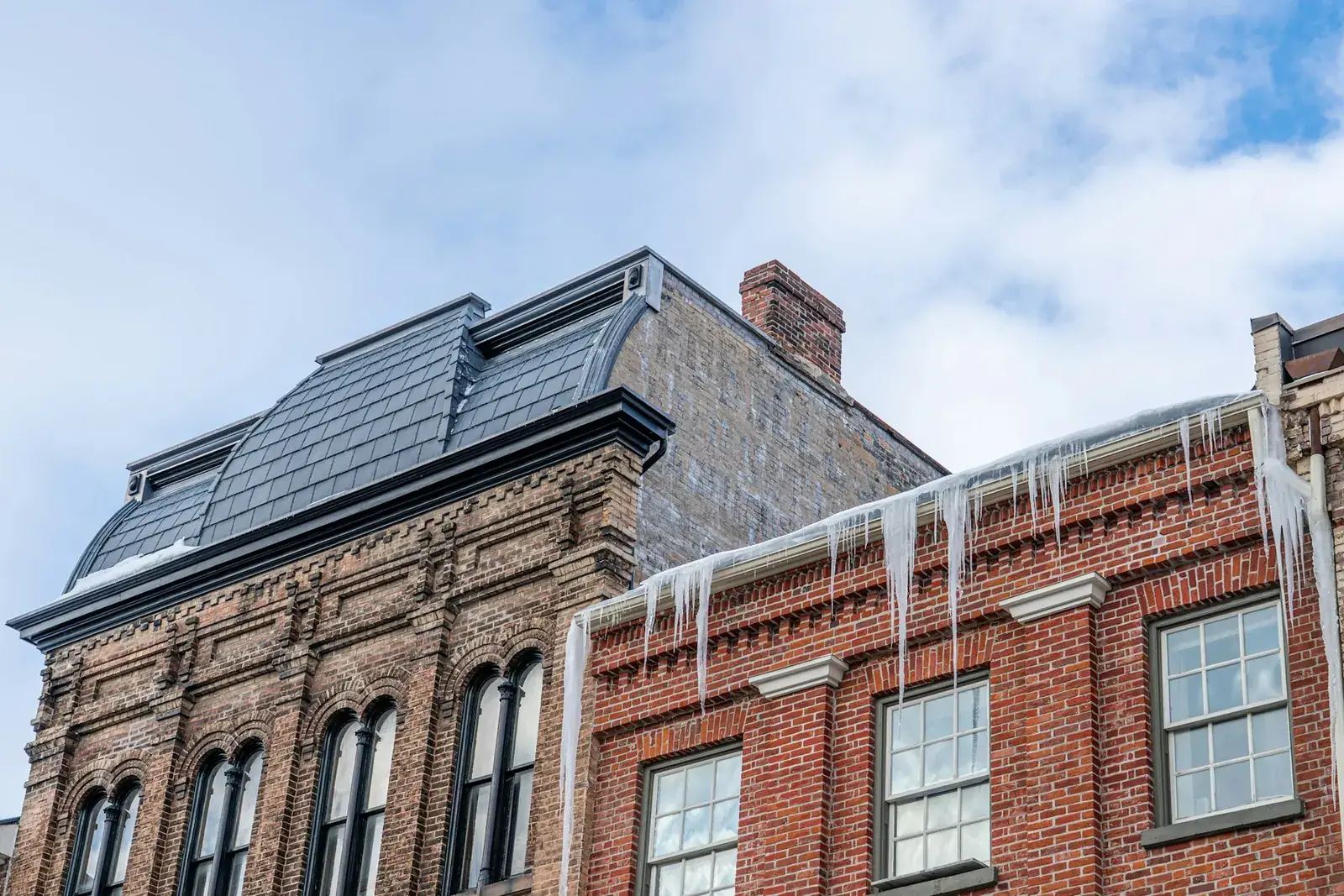 Is the winter leak in my ceiling an ice dam or the chimney?Water on the ceiling after a thaw can be an ice dam or a leaking chimney. Where the stain shows, what UMN Extension says about ice dams, and what each repair costs.
Book online
Choose a day. We'll bring the ladder.
Free inspection in a 3-hour arrival window: 8 to 11, 11 to 2, or 2 to 5, Sunday through Friday. We phone to confirm before we come.